Roof repair or replacement: which option suits an aging roof?
An aging roof presents a decision that every homeowner faces sooner or later. The instinct may be to patch the problem and move on, but sometimes the wiser course is a full replacement. Knowing the difference between a repair that buys time and a replacement that resets the clock can save you from repeated expenses and unexpected leaks. The answer depends on the extent of the damage, the age of the roof, and the condition of the underlying structure.
Roofs age at different rates depending on the material, local weather, and how well they were installed. Asphalt shingles might last twenty to thirty years, while metal or tile can go much longer. If your roof is near the end of its expected lifespan and showing widespread wear, replacement often makes more sense than chasing individual failures. If the roof is relatively young and the damage is isolated, a targeted repair can be the right call.
Signs that point toward repair
Small leaks, missing shingles after a storm, or damage limited to one area are classic repair situations. When the rest of the roof deck is sound and the shingles still have life in them, replacing a few damaged pieces restores the barrier without the cost and disruption of a full tear off. Repair also works well when the problem is localised to flashings around a chimney or a vent pipe. These are common weak points, and resealing them can stop water intrusion for years.
A professional inspection is the best way to confirm whether a repair will hold. An inspector checks for rot in the roof deck, curled or brittle shingles, and signs of inadequate roof ventilation that can trap moisture. If the deck is solid and the damage is not widespread, repair is usually the economical choice. Keep in mind that a repair addresses only the visible problem; it does not extend the life of the rest of the roof. If other sections are close to failure, you might be back on the roof within a year or two.
When replacement becomes the better path
Replacement becomes the logical option when the roof has multiple leaks, the shingles are curling or cracking across large areas, or the deck itself has rotted in several spots. At that point, patching one leak only reveals another. A full replacement removes the old covering, lets the contractor inspect and repair the roof deck, and installs new underlayment and shingles. This resets the lifespan of the roof and gives you a fresh warranty from the manufacturer.
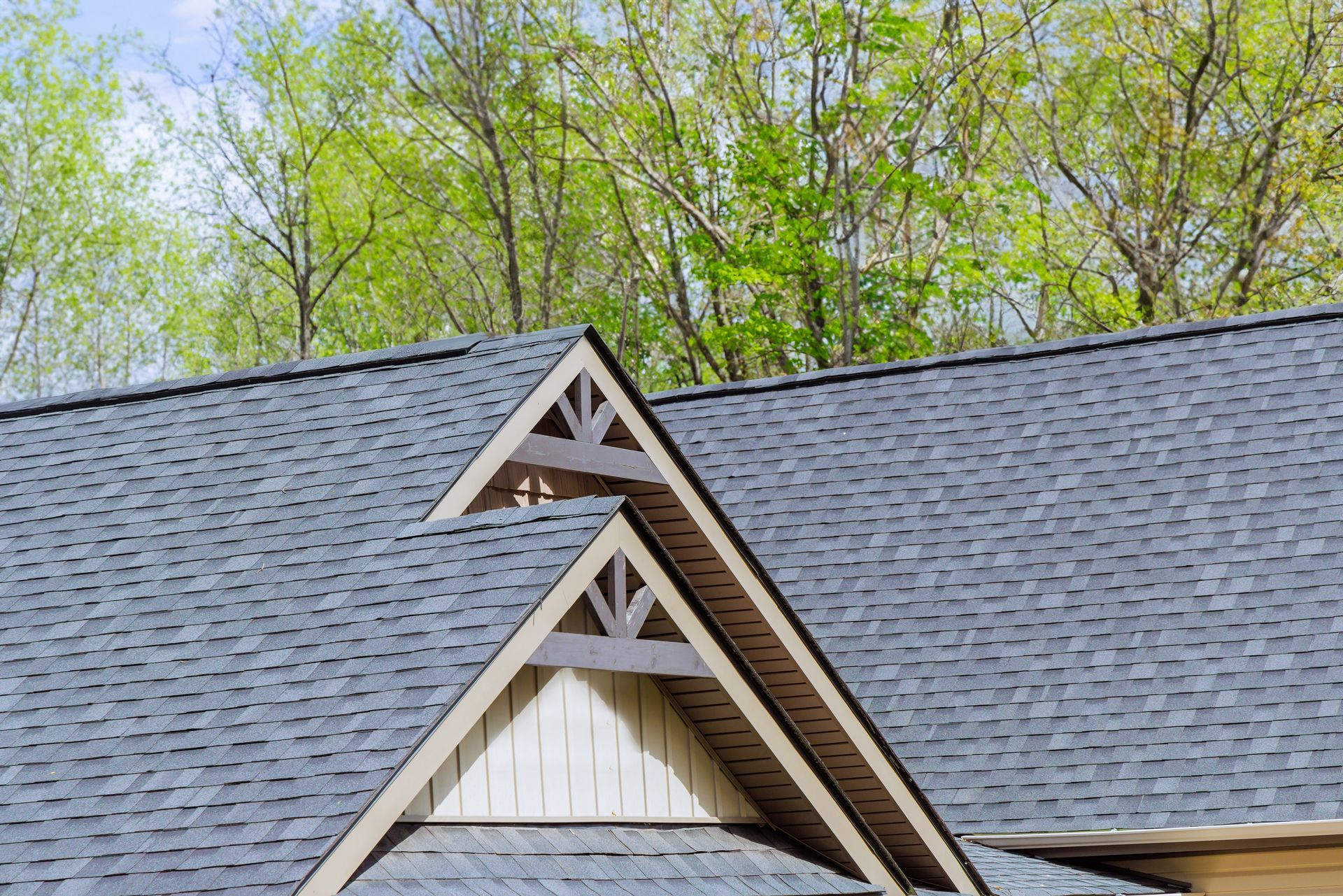
Another strong reason to replace is if you plan to stay in the home for many years. A new roof adds value, improves energy efficiency, and eliminates the worry of sudden leaks. For an older roof that has already been repaired several times, replacement often costs less over the long run than a continuing series of band-aid fixes. A local company such as READY ROOFING, LLC can provide an honest assessment of whether a full replacement is justified based on the age and condition of your roof.
What a roof inspection reveals
A thorough inspection looks at more than just the surface. The inspector checks the roof deck for soft spots, the flashings for separation, and the attic for signs of moisture or poor ventilation. They also look at the number of layers already on the roof. Many building codes allow only two layers of shingles; a third layer usually requires a tear off. Adding another layer over an already thick roof can hide deck damage and shorten the life of the new shingles.
The inspection also considers the condition of the gutters and downspouts, because clogged drainage can cause water to back up under the shingles. If the roof has poor ventilation, heat and moisture build up in the attic, which can warp the deck and cause shingles to fail prematurely. Addressing these issues during a replacement is straightforward; fixing them with a repair is often not possible without removing a large section of the roof.
Material matters in the decision
The type of roofing material affects whether repair or replacement is more practical. Asphalt shingles are easy to replace individually, and a damaged section can be swapped out quickly. Tile roofing and metal roofing are more durable but also more expensive to replace in full. A tile roof with a few cracked pieces can often be repaired by swapping out the damaged tiles. However, if the underlayment beneath the tiles has failed, a full tear off and replacement is necessary because the leak path runs through the entire system.
Metal roofing can be repaired with patching compounds or replacement panels, but rust or fastener failure across a large area usually calls for a full replacement. The decision also depends on whether you want to upgrade the material. If you are replacing an old asphalt roof, you might choose metal or tile for longer life. That change is only possible during a full replacement.
Building permits and regulations
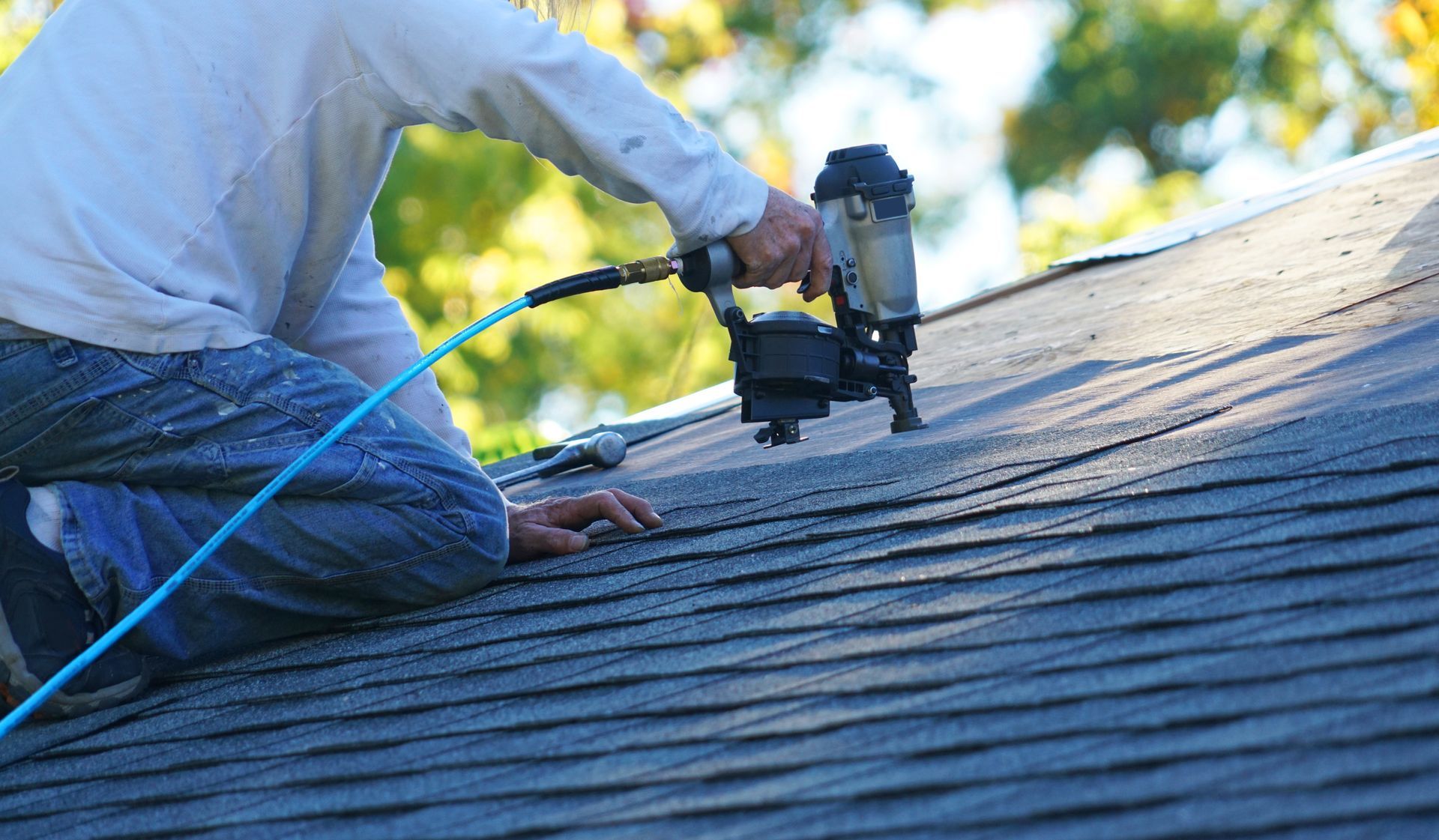
Most jurisdictions require a building permit for a full roof replacement. A permit ensures the work meets local codes for wind resistance, fire safety, and proper fastening. Some repairs also require a permit if they involve structural work or a large area. Checking with your local building department before starting any work prevents delays and ensures the job is done right. A reputable contractor handles the permit process as part of the project.
Insurance is another factor. Some policies offer a discount for a new roof, and the savings can offset part of the cost. If you file a claim for storm damage, the insurance adjuster may require a full replacement if the roof is near the end of its life. It is worth reviewing your policy before making a decision.
Making the call
There is no single answer for every aging roof. The best choice depends on how much life the existing roof has left, how extensive the damage is, and your plans for the property. A repair is a short-term solution for a localised problem. A replacement is a long-term investment that addresses the whole system. If you are unsure, a professional inspection provides the facts you need to decide.
When you work with a qualified contractor, you get an evaluation based on the actual condition of your roof, not a one-size-fits-all recommendation. The contractor should explain what they found and why they recommend repair or replacement. A good contractor will also discuss the expected lifespan of the new materials and how proper roof ventilation and maintenance can extend that life.

For homeowners in Northern Florida, the climate adds urgency to the decision. High heat, humidity, and frequent storms accelerate wear. An aging roof that might last a few more years in a milder climate can fail sooner here. That makes regular inspections and timely action especially important. Whether you choose repair or replacement, addressing the issue promptly protects your home from water damage and mould.
READY ROOFING, LLC, located at 5105 Philips Hwy Ste 205, Jacksonville, FL 32207, USA, can be reached at +1 904-404-9849 for residential and commercial roof services across Northern Florida.
READY ROOFING, LLC is also on LinkedIn.